
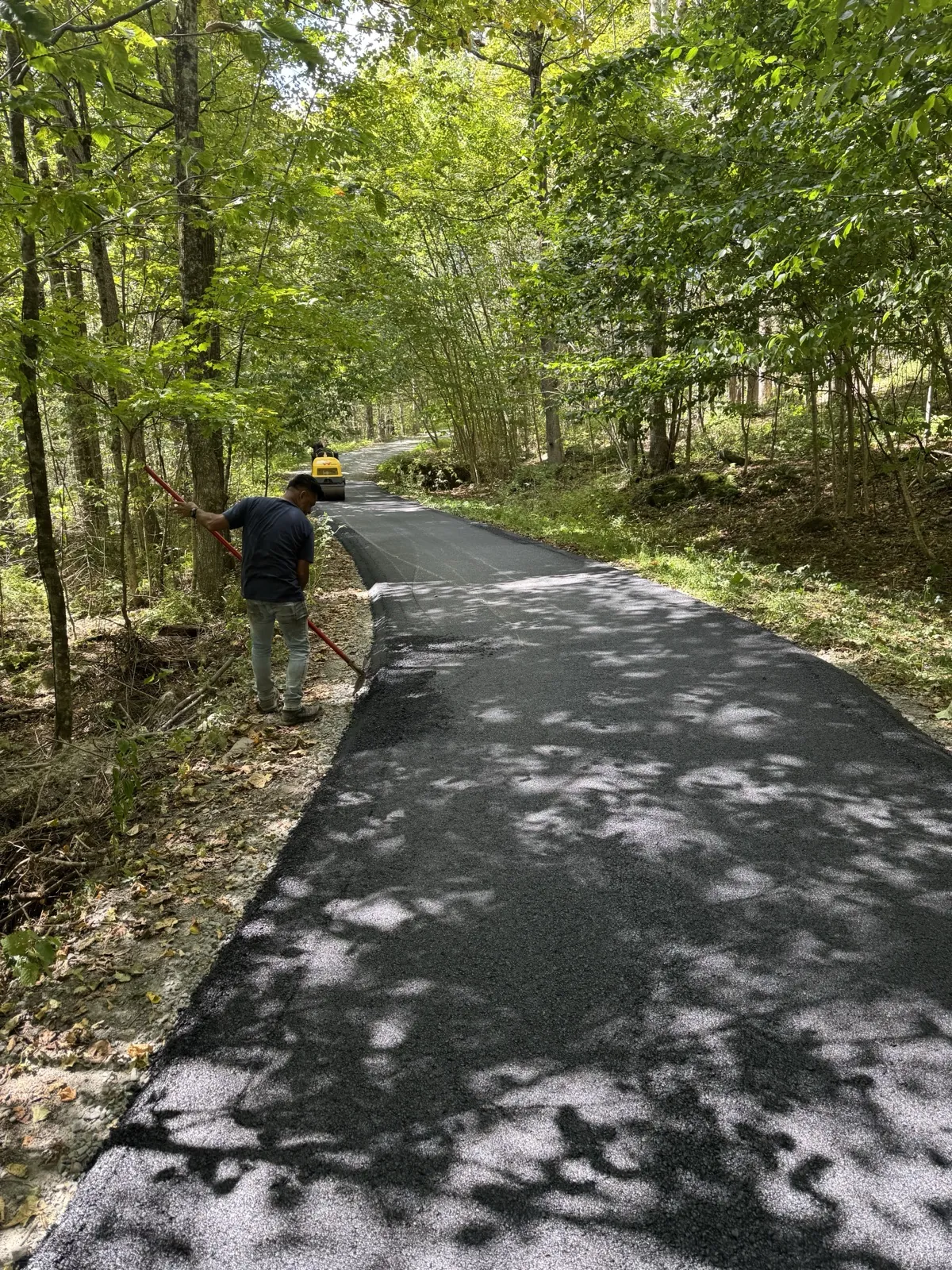
What Is Tar and Chip? The Rural Driveway Surface Explained
Tar and chip, called a chip seal or bituminous surface treatment by road engineers, is a thin wearing surface made by spraying asphalt, usually an emulsion, and embedding a single layer of stone chips in it. Pavement Interactive says the stone adds surface friction, and that on roads a two to four year service life is common, with five achievable.
What it is
Pavement Interactive, a pavement engineering reference, defines a bituminous surface treatment, also known as a seal coat or chip seal, as a thin protective wearing surface applied to a pavement or base course. The asphalt is typically an emulsion, and the aggregate is natural gravel or crushed stone that must be clean, hard and uniform. A two-layer treatment is often called a double shot.
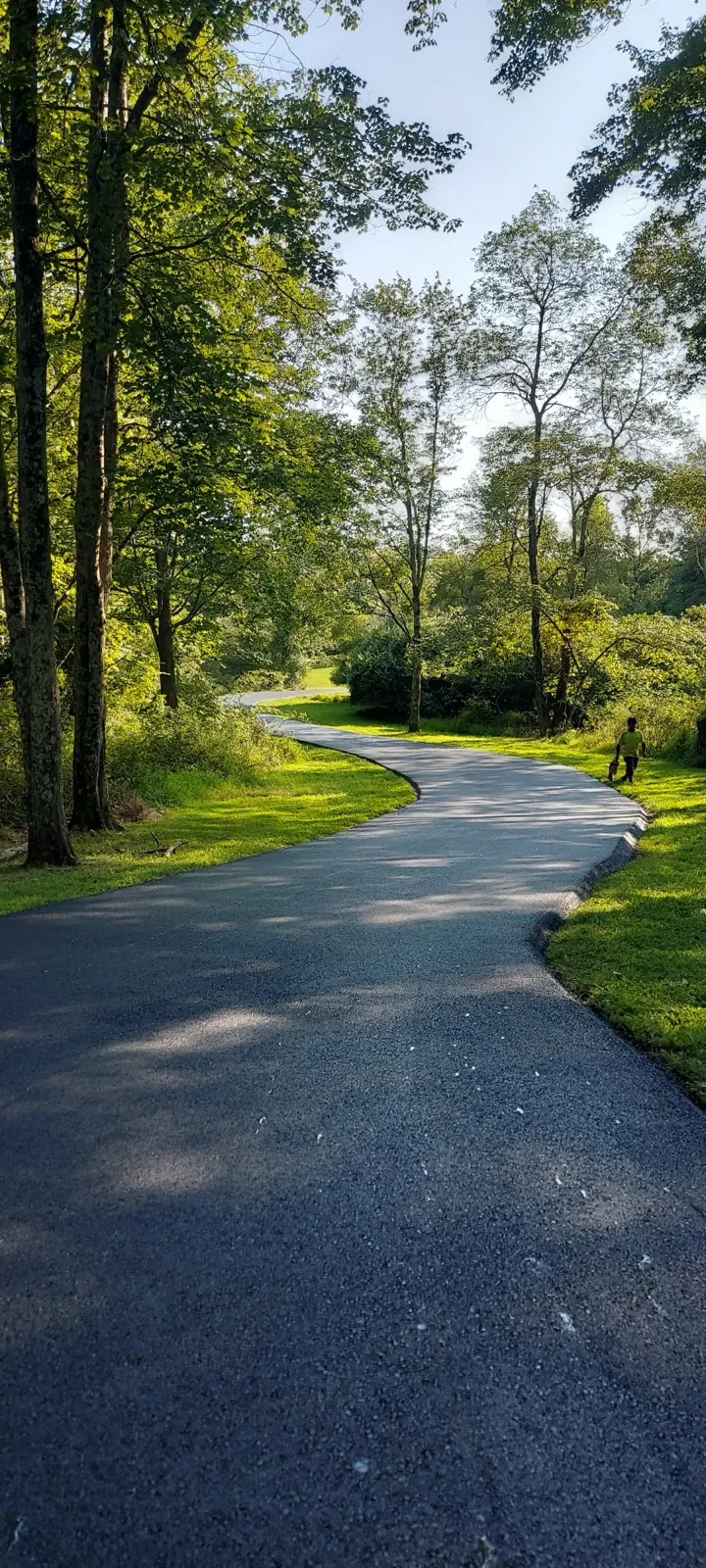
How it goes down
According to Pavement Interactive, the aggregate is placed one layer thick and must go on and be rolled before the emulsion breaks, the point where it turns from brown to black. Placing too much stone causes aggregate pickup. It should never be built on rainy days or when rain is predicted, since rain can dilute uncured binder.
How long it lasts
Pavement Interactive says a two to four year service life is common for these treatments, and five year service lives are achievable. Those figures come from road use; the reference does not give a separate figure for private driveways.
Tar and chip at All County
All County Paving lists tar and chip among its driveway services. For a side-by-side with asphalt, see the comparison linked below.
Keep reading
Sources
- Pavement Interactive, Bituminous Surface Treatments (chip seals)
Frequently Asked Questions
Yes. Pavement Interactive describes the same process under the names chip seal, seal coat and bituminous surface treatment.
Pavement Interactive says a two to four year service life is common for chip seal treatments on roads, with five years achievable.