Resurface vs Repave, When to Replace Your Driveway Entirely
The Colorado Asphalt Pavement Association says an existing driveway can be overlaid with 1.5 to 2 inches of hot-mix asphalt to improve its condition and extend its life, once weak spots, holes and large cracks are cut out and patched. SealMaster says severely cracked areas may need to be removed and replaced with fresh hot-mix asphalt.
What a resurface (overlay) is
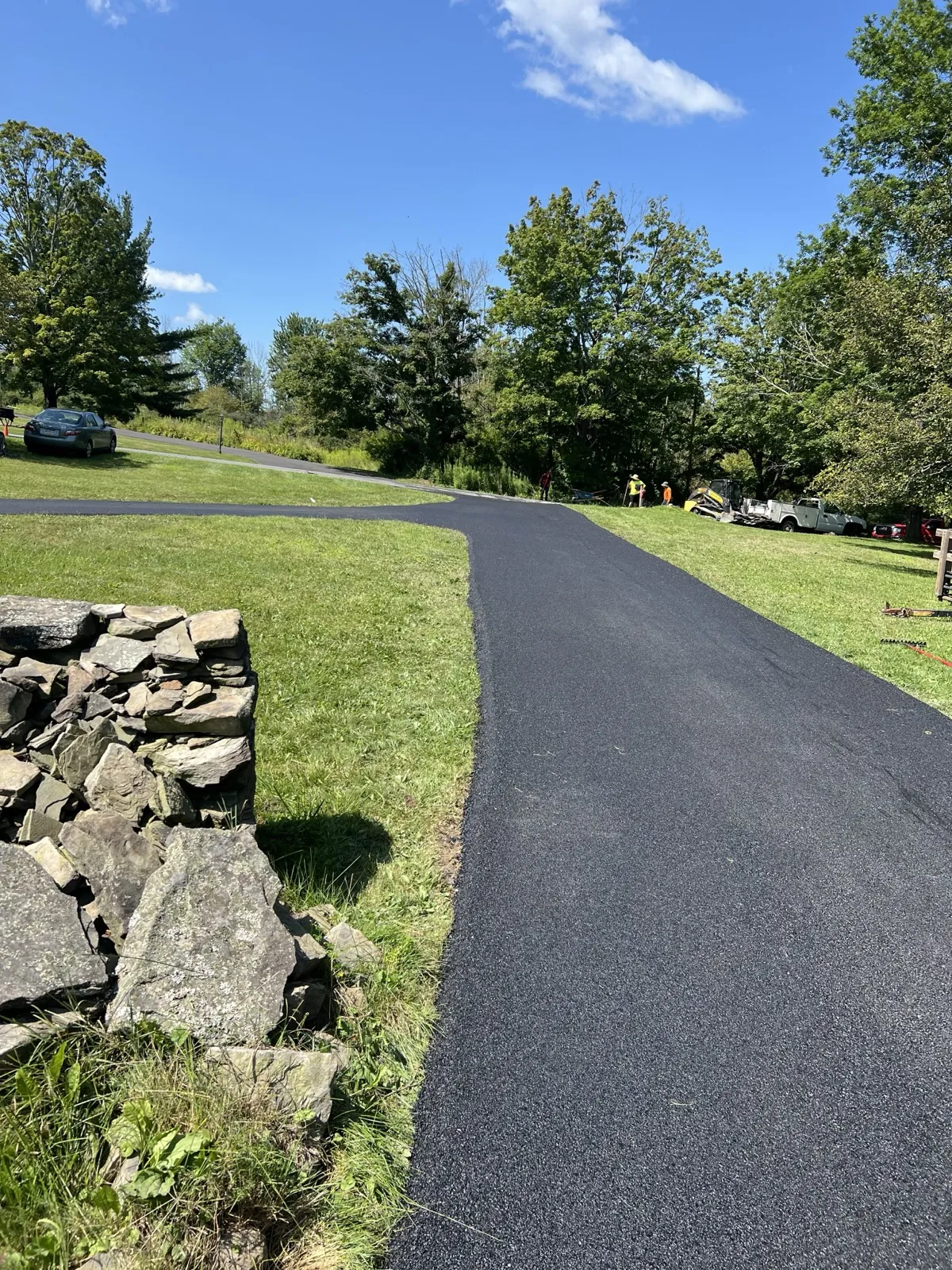
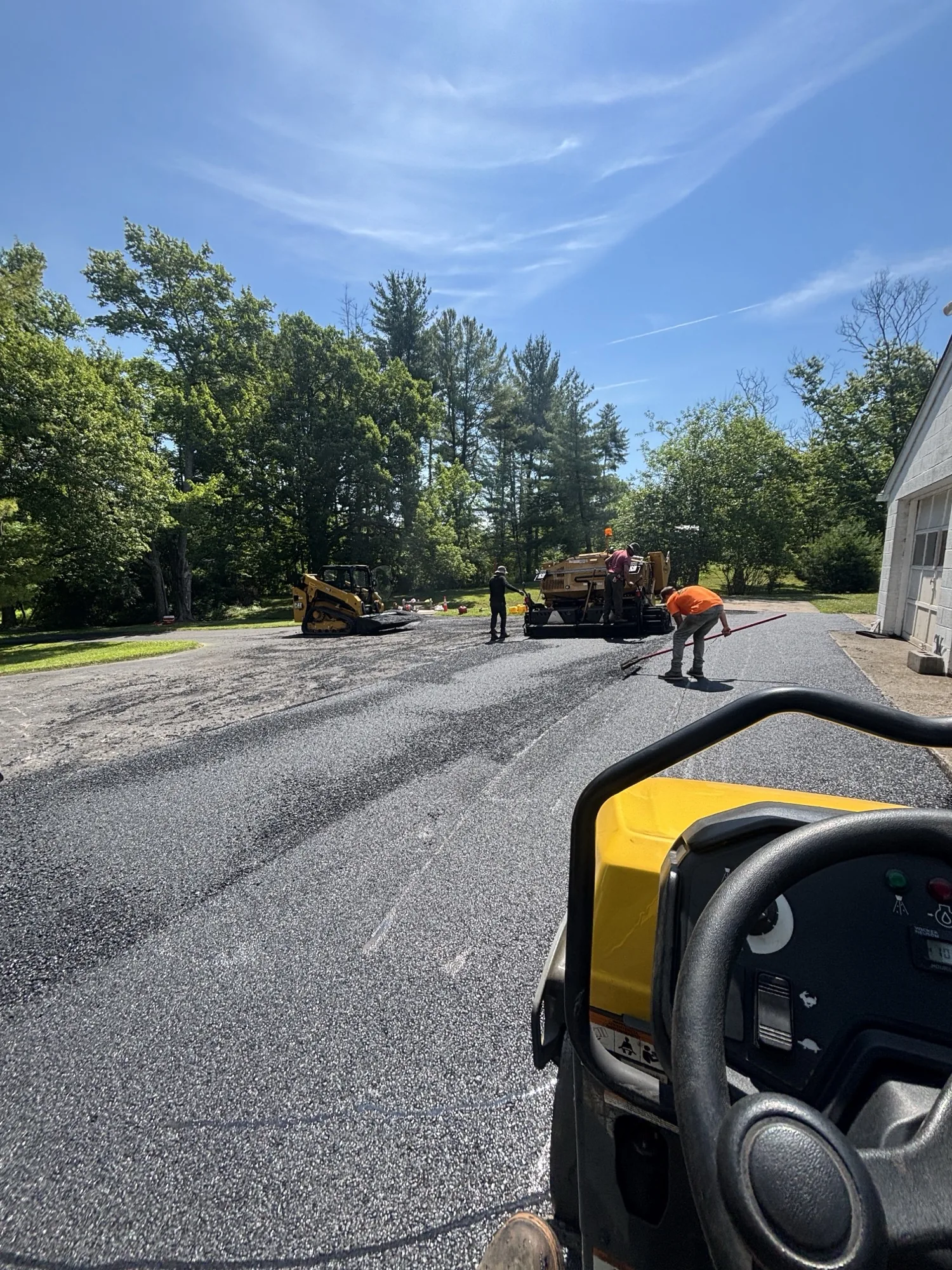
The Colorado Asphalt Pavement Association says existing driveways can be overlaid with hot-mix asphalt to improve their condition, strengthen them and extend their service life. It says an overlay of 1.5 to 2 inches of surface mix is usually sufficient, the surface should be clean and dry, a tack coat is recommended on old weathered surfaces, and care should be taken to get a smooth surface that will not pond water.
What has to be fixed first
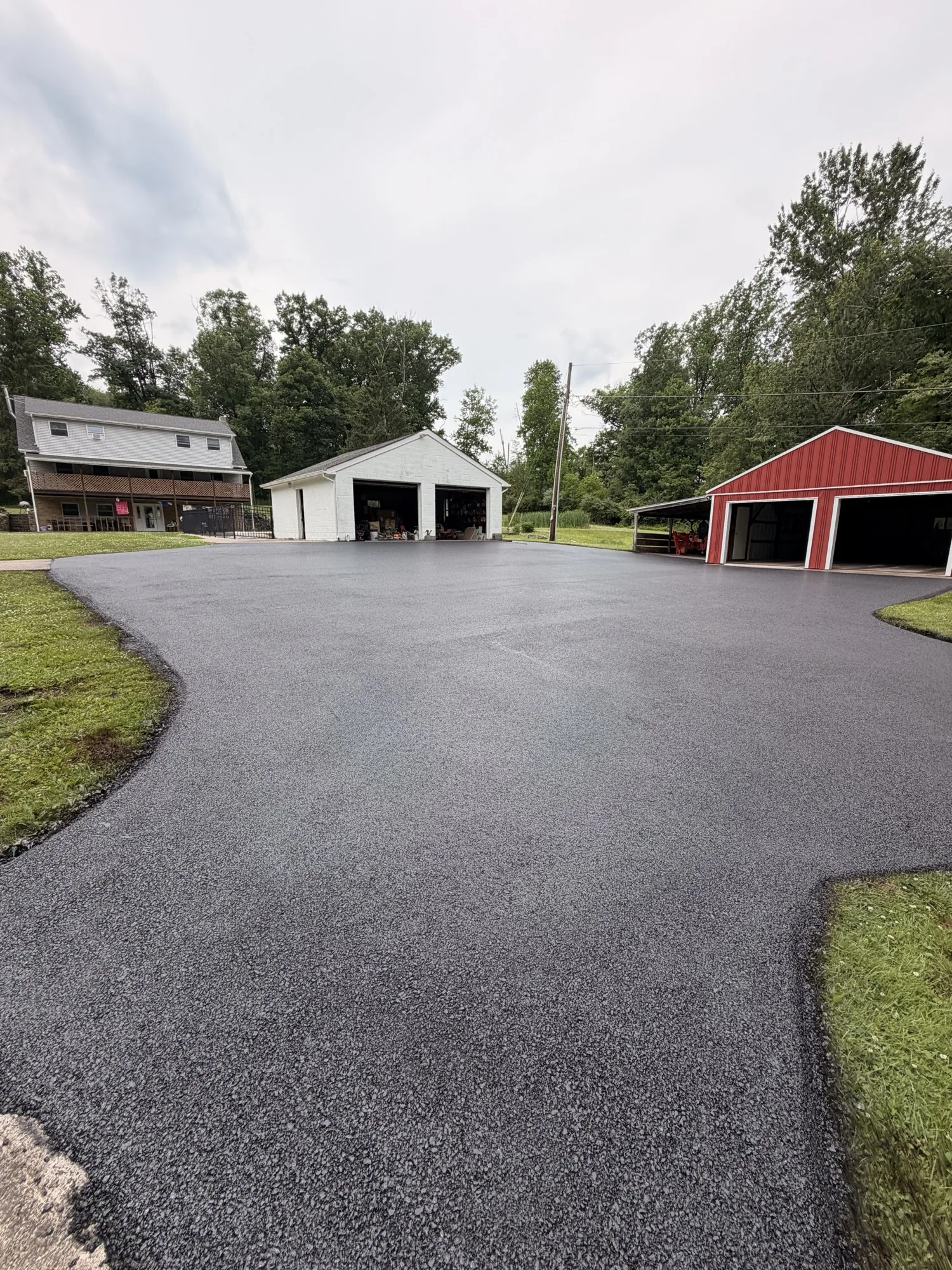
Before any overlay, the same association says distressed areas such as weak spots, holes and large cracks need to be cut out and patched with hot-mix asphalt. SealMaster says severely cracked areas may need to be removed and replaced with fresh hot-mix asphalt.
Why water decides a lot of it
The National Asphalt Pavement Association calls standing water the leading cause of driveway failure and says contractors should plan for proper slope or drainage.
Keep reading
Sources
- Colorado Asphalt Pavement Association (via the Asphalt Institute), “Best Practices” for the Use of Asphalt Driveways, Technical Brief
- SealMaster, How to repair cracks in asphalt pavement
- National Asphalt Pavement Association, Hiring an Asphalt Contractor for Driveways
Frequently Asked Questions
The Colorado Asphalt Pavement Association says an overlay of 1.5 to 2 inches of surface mix is usually sufficient.
The Colorado Asphalt Pavement Association says weak spots, holes and large cracks should be cut out and patched with hot-mix asphalt first, and SealMaster says severely cracked areas may need to be removed and replaced.