
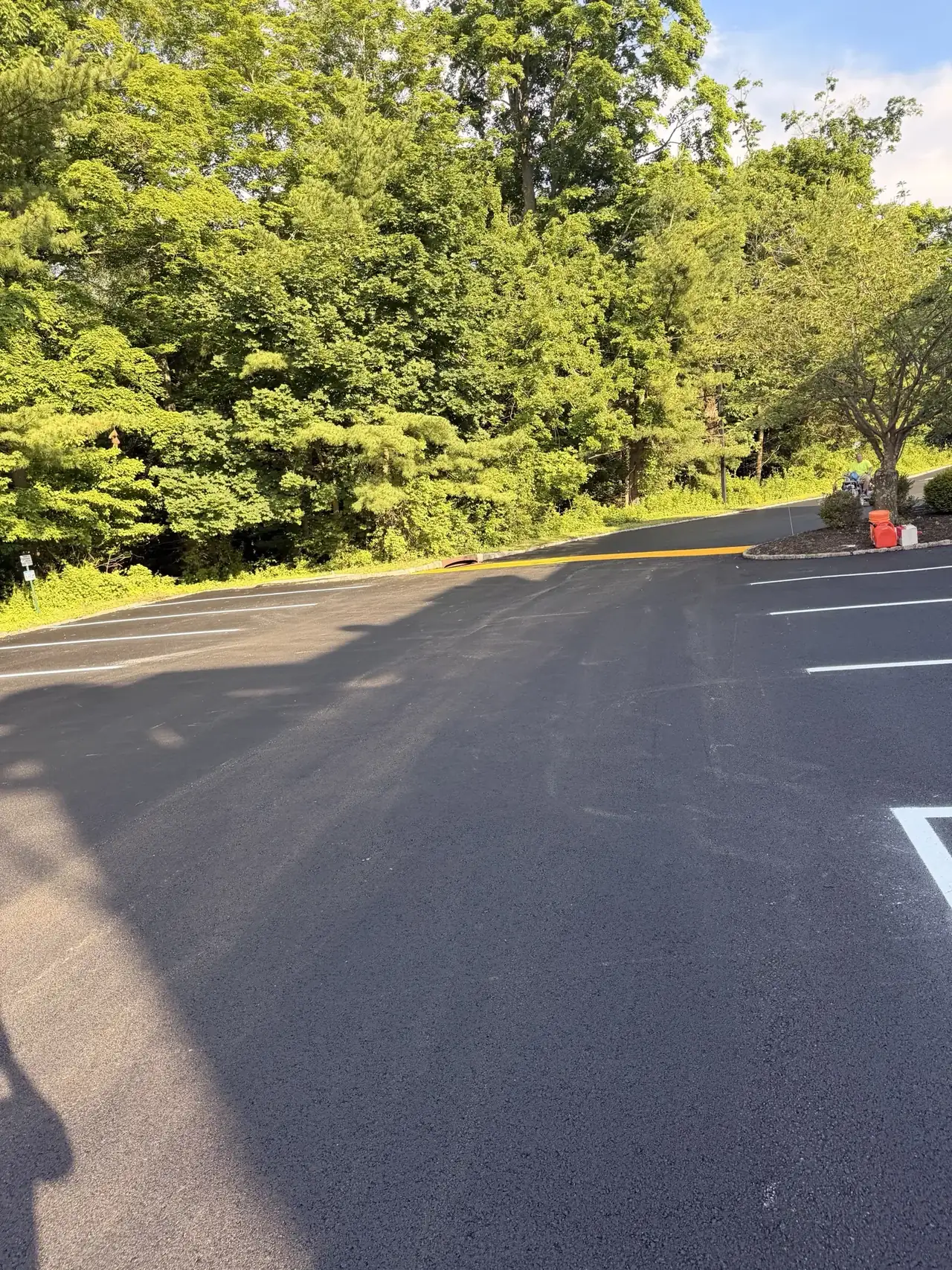
Driveway sealcoating in Broward and Palm Beach
SealMaster's instructions call for temperatures above 50°F during application and for 24 hours after, with no rain in the forecast. NOAA's 1991 to 2020 normals put average January to March lows at West Palm Beach and Fort Lauderdale between 57.9°F and 65.6°F, in South Florida's dry season. All County Paving sealcoats and crack-fills driveways here from January to mid-March.
Florida line: (561) 220-8315Sealcoating: what the industry says
SealMaster, a pavement sealer manufacturer, says sealcoating is typically recommended every 3 years; the Colorado Asphalt Pavement Association puts the interval at every two to five years and says not to seal until a new driveway is at least several months old.
SealMaster's instructions call for temperatures above 50°F during application and for at least 24 hours after, no rain in the forecast, 2 to 4 hours of drying between coats, and 24 hours before cars go back on the driveway. It recommends two coats.
Before sealing, SealMaster says cracks should be filled and oil or grease spots treated with an oil spot primer.
Sources: SealMaster, How often should you sealcoat a parking lot or driveway?; SealMaster, E-Z Stir Pavement Sealer, application instructions; SealMaster, Sealcoating FAQ; Colorado Asphalt Pavement Association (via the Asphalt Institute), “Best Practices” for the Use of Asphalt Driveways, Technical Brief.
South Florida weather, January to March
NOAA's 1991 to 2020 normals for the two airports at either end of the service area, with June and August for comparison. In January, February and March the average low at both airports stays above 50°F, the lowest being 57.9°F. The National Weather Service office in Miami defines the South Florida wet season as May 15 to October 15.
| Month | West Palm Beach high / low | West Palm Beach rain | Fort Lauderdale high / low | Fort Lauderdale rain |
|---|---|---|---|---|
| January | 74.7°F / 57.9°F | 3.47 in | 75.6°F / 60.9°F | 2.90 in |
| February | 76.7°F / 60.1°F | 2.63 in | 77.4°F / 63.3°F | 2.38 in |
| March | 79.2°F / 63°F | 3.31 in | 79.7°F / 65.6°F | 2.38 in |
| June | 88.3°F / 75°F | 8.48 in | 88.4°F / 76.6°F | 9.55 in |
| August | 89.9°F / 76.5°F | 8.68 in | 90°F / 77.9°F | 7.89 in |
Averages over 30 years. Individual days run colder or wetter, and SealMaster's instructions also call for no rain in the forecast.
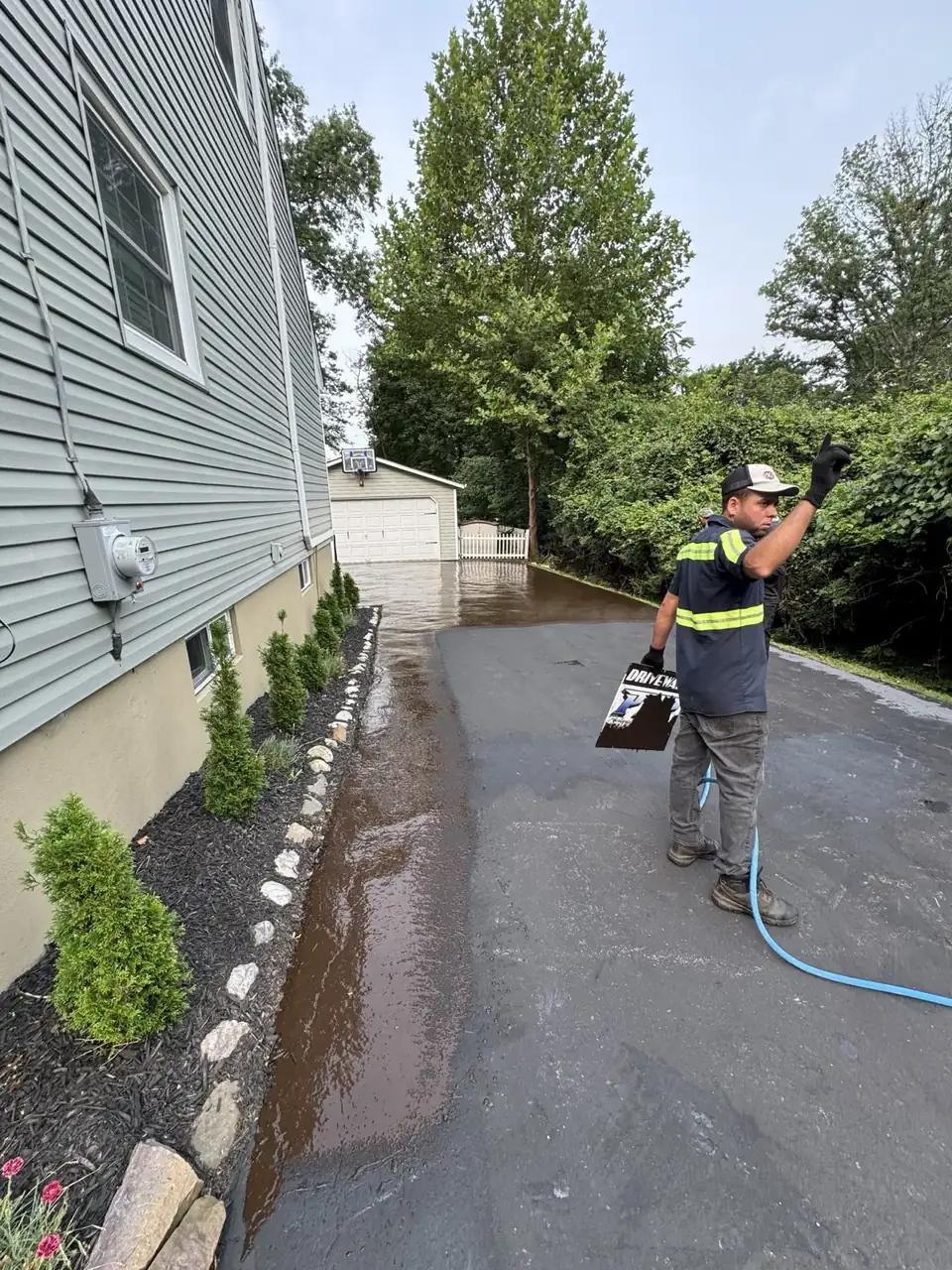
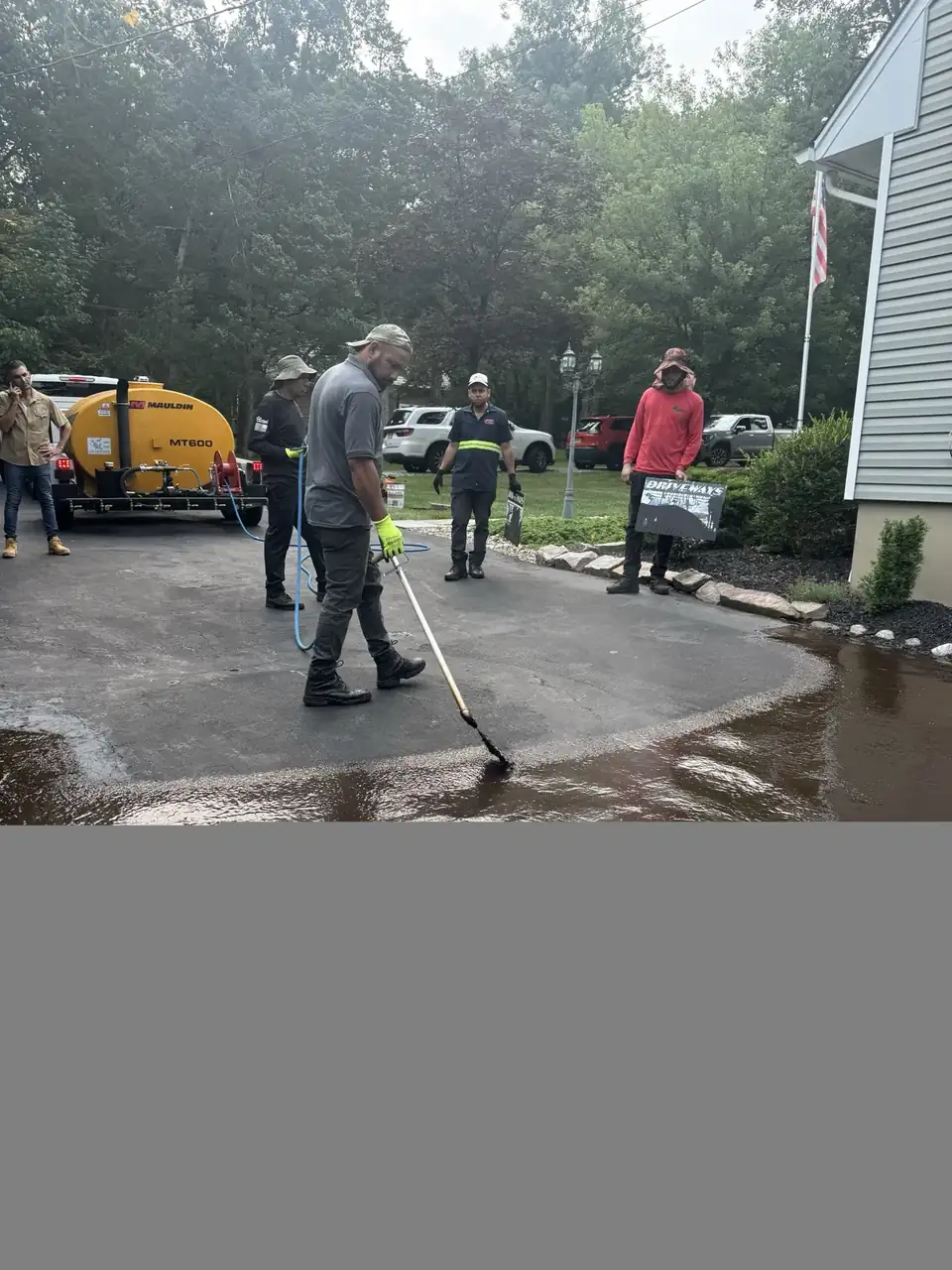
Sealcoating by All County
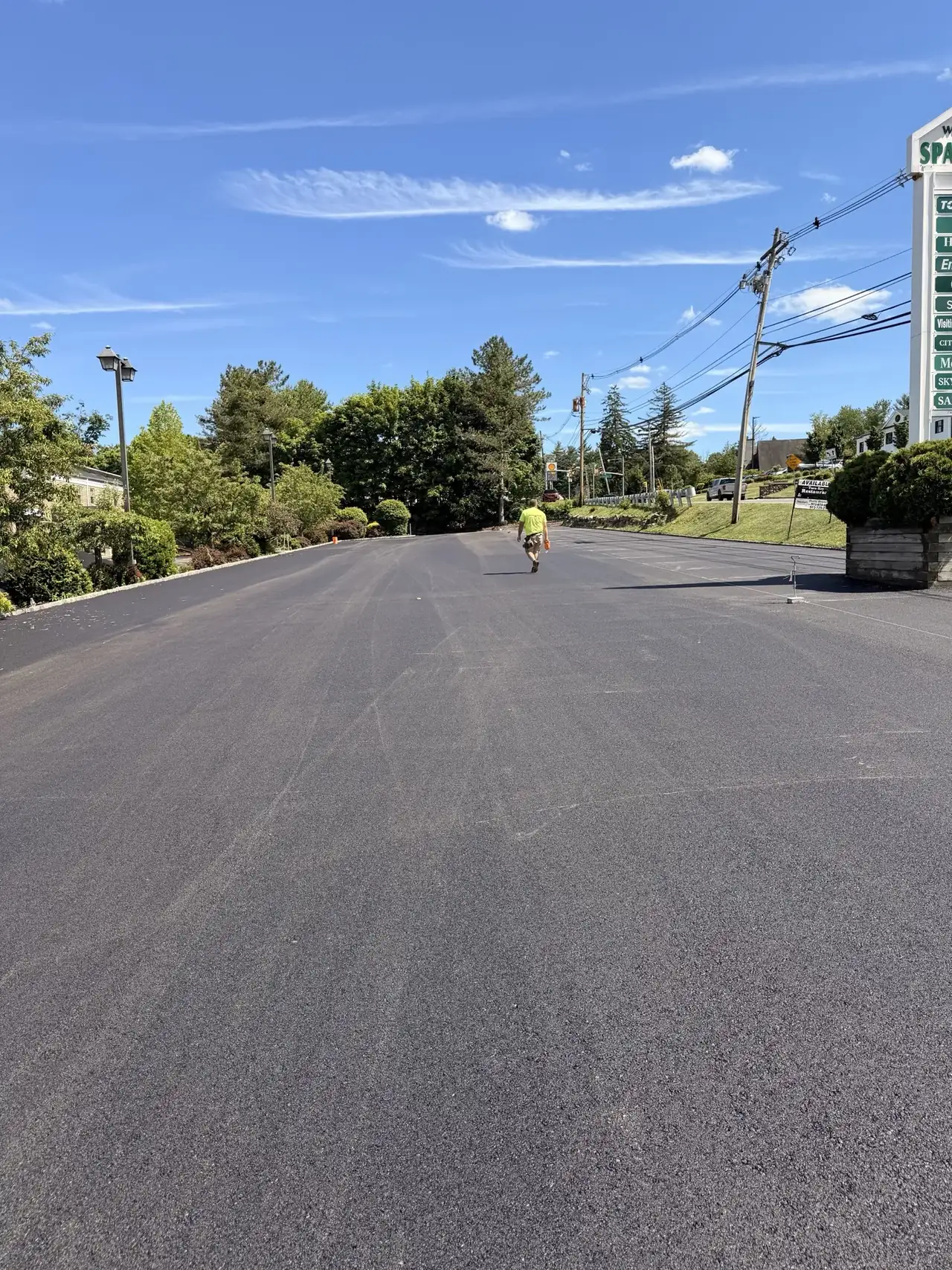
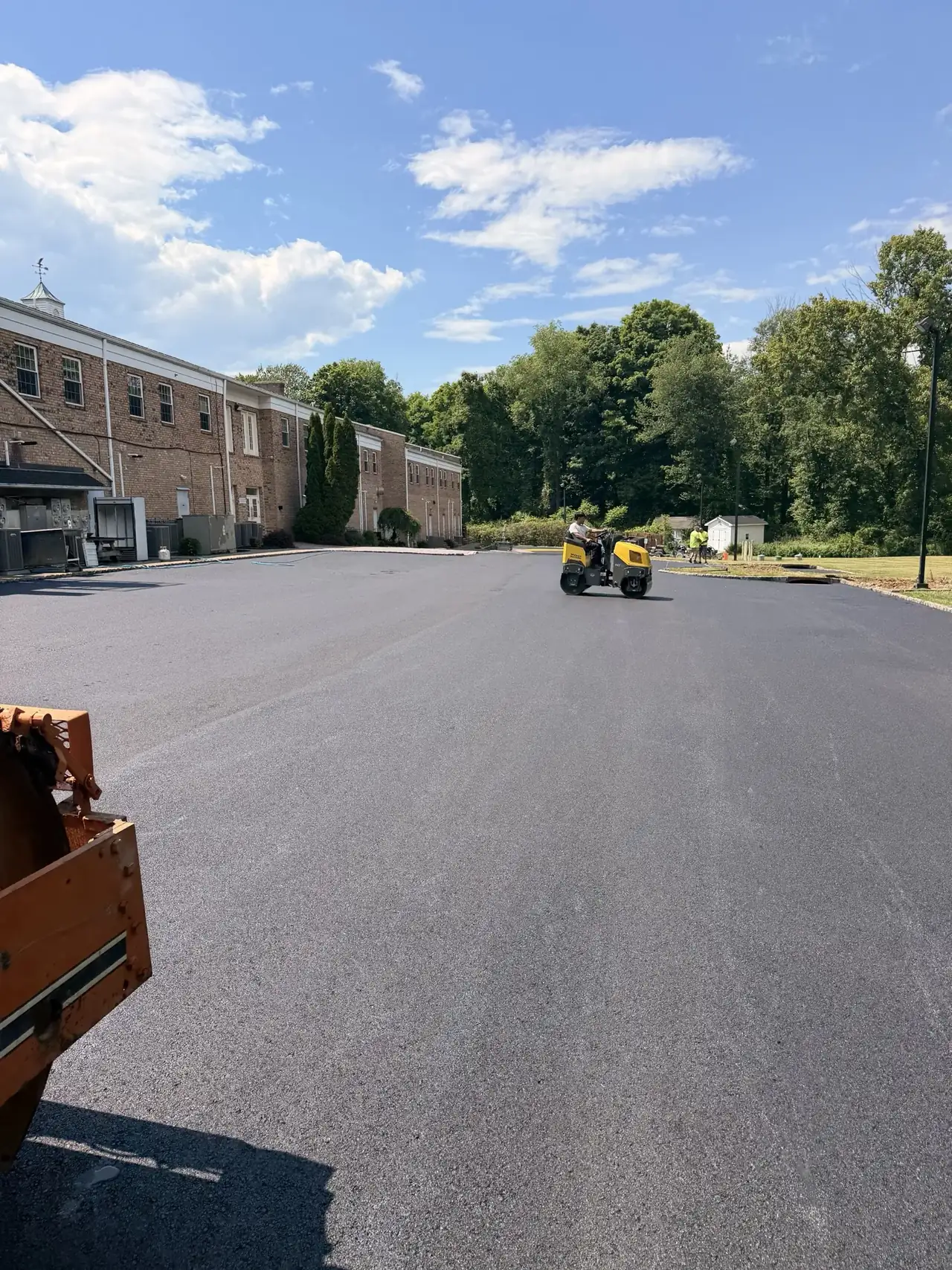
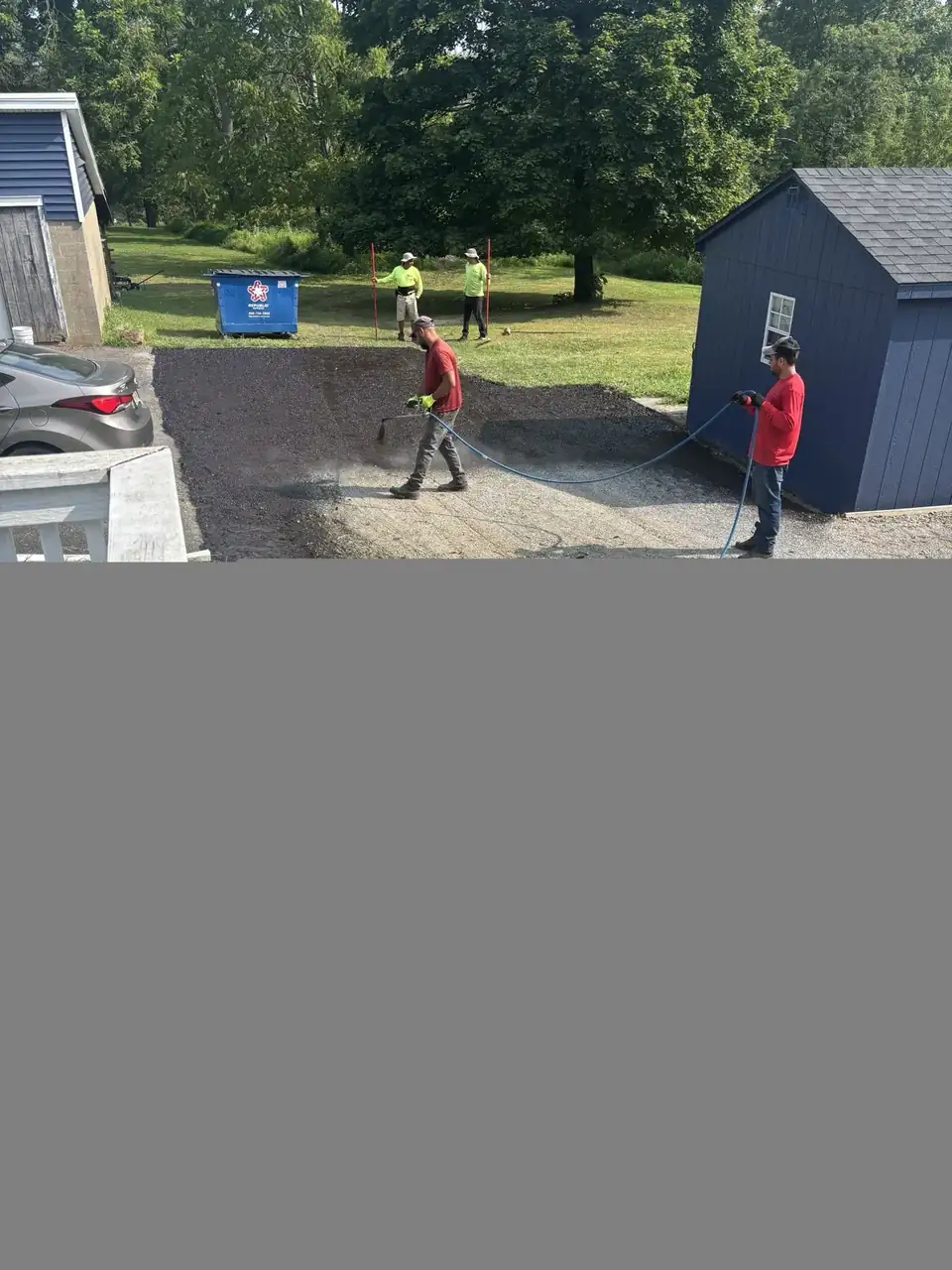
Florida sealcoating FAQs
Is January too cold to sealcoat in South Florida?
SealMaster's instructions call for temperatures above 50°F during application and for at least 24 hours after. NOAA's 1991 to 2020 normals put the average January low at 57.9°F at West Palm Beach airport and 60.9°F at Fort Lauderdale-Hollywood airport. Those are 30-year averages, so the forecast for the day still decides.
How often should a driveway be sealcoated?
SealMaster, a pavement sealer manufacturer, says sealcoating is typically recommended every 3 years. The Colorado Asphalt Pavement Association puts the interval at every two to five years and says not to seal until a new driveway is at least several months old.
How long before I can drive on a sealcoated driveway?
SealMaster's instructions call for 24 hours before cars go back on the driveway, and 2 to 4 hours of drying between coats. It recommends two coats.
Can you sealcoat if rain is in the forecast?
SealMaster's instructions call for no rain in the forecast, and for temperatures above 50°F during application and for at least 24 hours after.
Should cracks be filled before sealcoating?
Yes, according to SealMaster: cracks should be filled and oil or grease spots treated with an oil spot primer before sealing.
When is the rainy season in South Florida?
The National Weather Service office in Miami defines the South Florida wet season as May 15 to October 15, the stretch when 60 to 70% of the year's rain falls.
Sources
- SealMaster, How often should you sealcoat a parking lot or driveway?
- SealMaster, E-Z Stir Pavement Sealer, application instructions
- SealMaster, Sealcoating FAQ
- Colorado Asphalt Pavement Association (via the Asphalt Institute), “Best Practices” for the Use of Asphalt Driveways, Technical Brief
- NOAA National Centers for Environmental Information, U.S. Climate Normals 1991-2020, West Palm Beach International Airport (USW00012844)
- NOAA National Centers for Environmental Information, U.S. Climate Normals 1991-2020, Fort Lauderdale-Hollywood International Airport (USW00012849)
- National Weather Service, Miami-South Florida, South Florida Rainy Season Outlook 2024